fa
  • FA fa
  • EN en
  • AR ar
  • RU ru
fa
  • FA fa
  • EN en
  • AR ar
  • RU ru

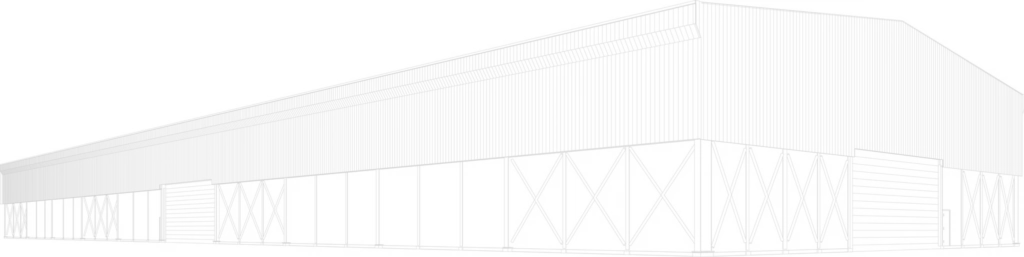
Pipe Rack Structure with mammut Panel Cladding

Pipe Rack Structure with mammut Panel Cladding

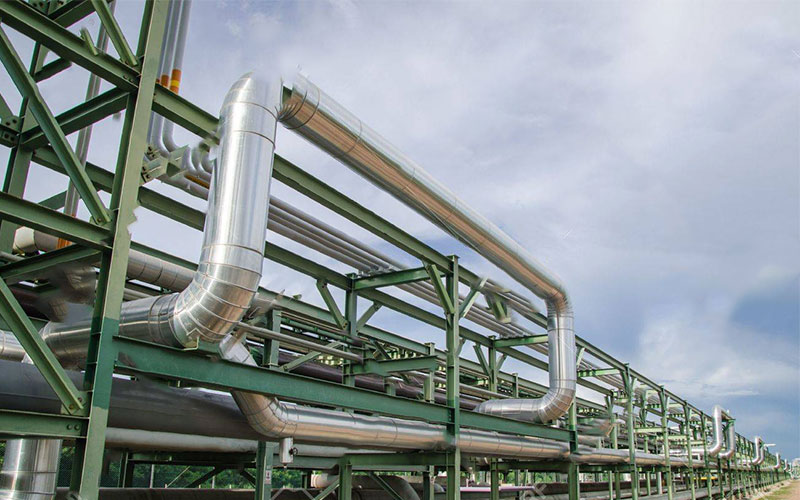
Pipe rack is a type of safety equipment that significantly helps improve work efficiency. In other words, a pipe rack is a metal or concrete structure composed of various components that, once assembled, is placed beneath pipelines to protect them.

In general, pipe racks are used in locations where there are many piping systems and transmission lines for gas and liquids, and protecting them is highly important. These structures are usually made of steel and are typically installed at different heights to make access to pipes and cables easier.

Request for Consultation

If you would like to receive a free professional consultation, please fill in your information in the form below. Our experts will contact you as soon as possible to provide the specialized services you need.

Components of a Pipe Rack

  • Beams and Columns:
    Beams and columns are the main components of a pipe rack, positioned vertically and horizontally to form the primary structure. These elements are made of steel and are typically manufactured in various profiles such as H, I, or L shapes.

  • Braces:

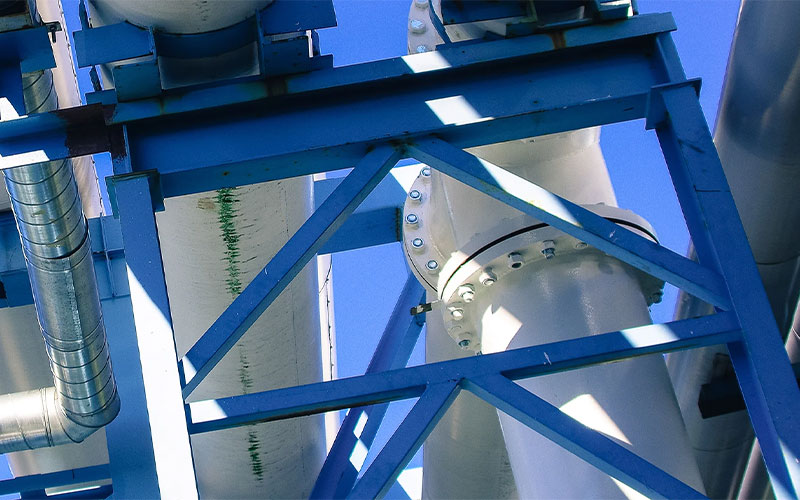
    Braces are elements used to enhance the strength and stability of the structure. They are usually installed diagonally and help prevent deformation and instability.
  • Clamps and Fasteners:
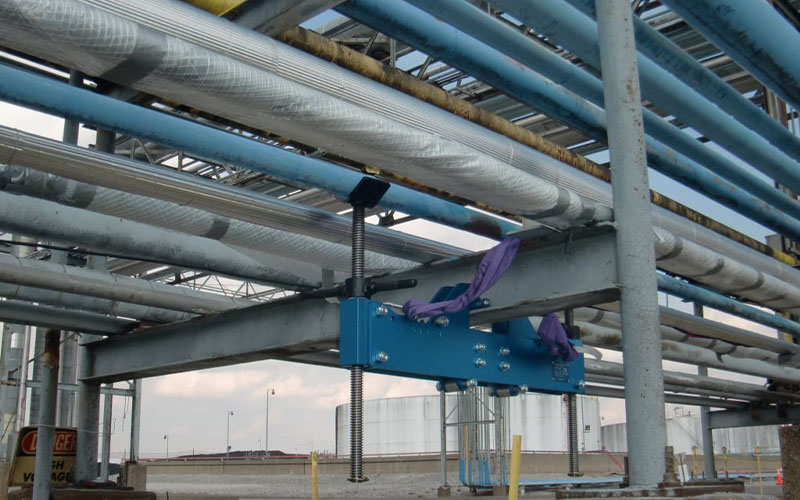
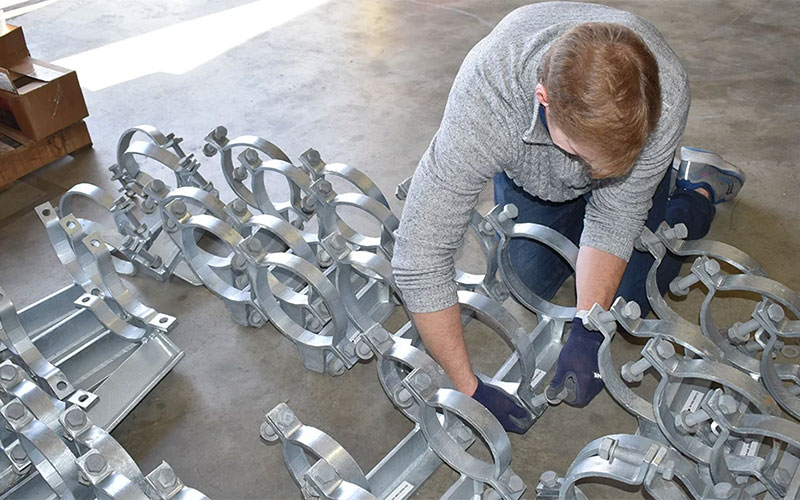
    Clamps and fasteners are used to attach and secure pipes and cables to the pipe rack. These components are generally made of steel or aluminum and come in various sizes and shapes.

  • Base Supports:
    Bases are the parts that connect the pipe rack to the ground. They are usually made of concrete or steel and are responsible for bearing the loads applied to the structure.


Advantages of Pipe Rack Structures

  • Enhanced Safety:
    Pipe racks support and secure pipes and cables, helping to reduce the risk of falls and equipment damage. This is especially important in industrial environments with a large number of pipelines and cables.

  • Better Equipment Organization:
    Using pipe racks improves the organization of pipes and cables. This not only enhances the visual appearance of the workspace but also makes equipment access easier and more efficient.

  • Reduced Maintenance Costs:
    By supporting and protecting pipes and cables, pipe racks help lower maintenance and repair expenses. This is particularly valuable in large-scale projects with extensive piping systems.

  • Extended Equipment Lifespan:
    Pipe racks prevent damage to pipes and cables, thereby extending the useful life of these components. This is especially critical in industrial settings with harsh working conditions.

Difference Between Metal and Concrete Pipe Racks

As is evident, the primary difference between these two structures lies in the material used in their construction. Metal pipe racks are made of steel, which results in a relatively higher cost but also greater strength and durability. While the overall structure of a metal pipe rack is entirely composed of metals, concrete may still be used in the installation process.

Cost of a Pipe Rack Structure

The pricing of a pipe rack, like other steel structures, depends on several key factors, including:

  • Material Type:
    The raw materials used in the construction of pipe racks are among the most significant cost determinants. Common options include carbon steel, stainless steel, and aluminum—each with different price points. Stainless steel and aluminum are more expensive than regular steel due to their higher resistance to corrosion and rust.
  • Design and Structural Complexity:
    The design and complexity of the pipe rack directly influence its cost. Simple structures with fewer beams and columns are less expensive than more complex ones with additional components. Furthermore, the need for extra braces to increase structural strength can also raise the overall cost.
  • Dimensions and Size:
    The size and scale of the pipe rack are critical pricing factors. Larger structures with greater height and length require more materials, leading to higher construction costs.
  • Type of Connections:
    The type of connections used in assembling the pipe rack also impacts the price. Bolted connections tend to be more expensive than welded ones due to easier installation and the option for disassembly and relocation.
  • Protective Coatings:
    The application of protective coatings—such as hot-dip galvanizing, corrosion-resistant paints, or anti-rust coatings—can increase initial costs. However, these treatments enhance the lifespan of the pipe rack and reduce long-term maintenance expenses.
  • Transportation and Installation Costs:
    Logistics and on-site installation also affect the final price. Depending on the project location and distance from the manufacturing site, transportation costs may vary. Additionally, the use of specialized equipment such as cranes and skilled labor for installation can contribute to higher overall expenses.

Benefits of Consulting with Mammut Experts

Receive Specialized and Precise Solutions
Time and Cost Savings
Reducing Decision-Making Risks
Personalized Solutions Offering
Continuous Support and Partnership
Access to Professional Networks
Staying Up-to-Date with Industry Developments
Enhancing Decision-Making Quality

Application of Pipe Rack

Pipe racks are considered one of the essential components in the oil, gas, petrochemical, and refinery industries, playing a critical role in supporting and organizing pipes and cables. These steel structures have evolved over time, adapting to industrial demands and technological advancements. As the global demand for oil and gas increased, the need for efficient and safe transmission systems for these materials grew significantly. During this period, the use of pipes and cables for transporting oil, gas, and chemicals became widespread.

  • Oil and Gas Industry:
    In the oil and gas industry, pipe racks are used to support and organize pipelines used for transporting oil and gas. These steel structures help enhance the safety and efficiency of transmission systems.

  • Petrochemical Plants and Refineries:
    In petrochemical facilities and refineries, pipe racks are used to support pipes and cables that transport chemicals and petroleum products.

  • Power Plants:
    In power generation plants, these steel structures are used to support pipelines and cables for the transmission of water, steam, and electricity. This contributes to greater efficiency and safety in energy production systems.

  • Food and Pharmaceutical Industries:
    In the food and pharmaceutical industries, pipe racks are used to support pipes and cables that carry food-grade or pharmaceutical materials. This helps improve hygiene and safety in production processes.
Our experts are available around the clock to promptly respond to your inquiries.